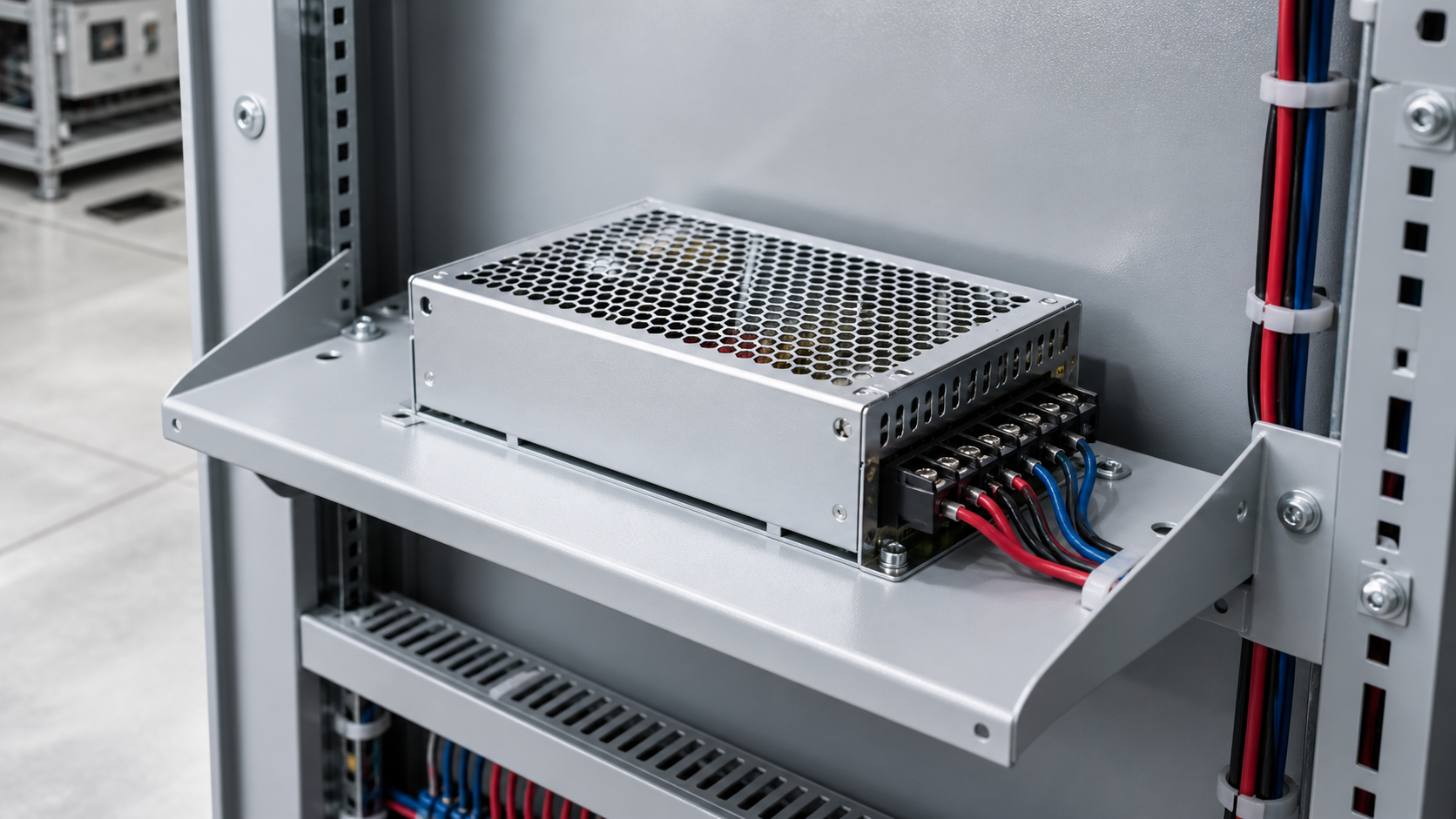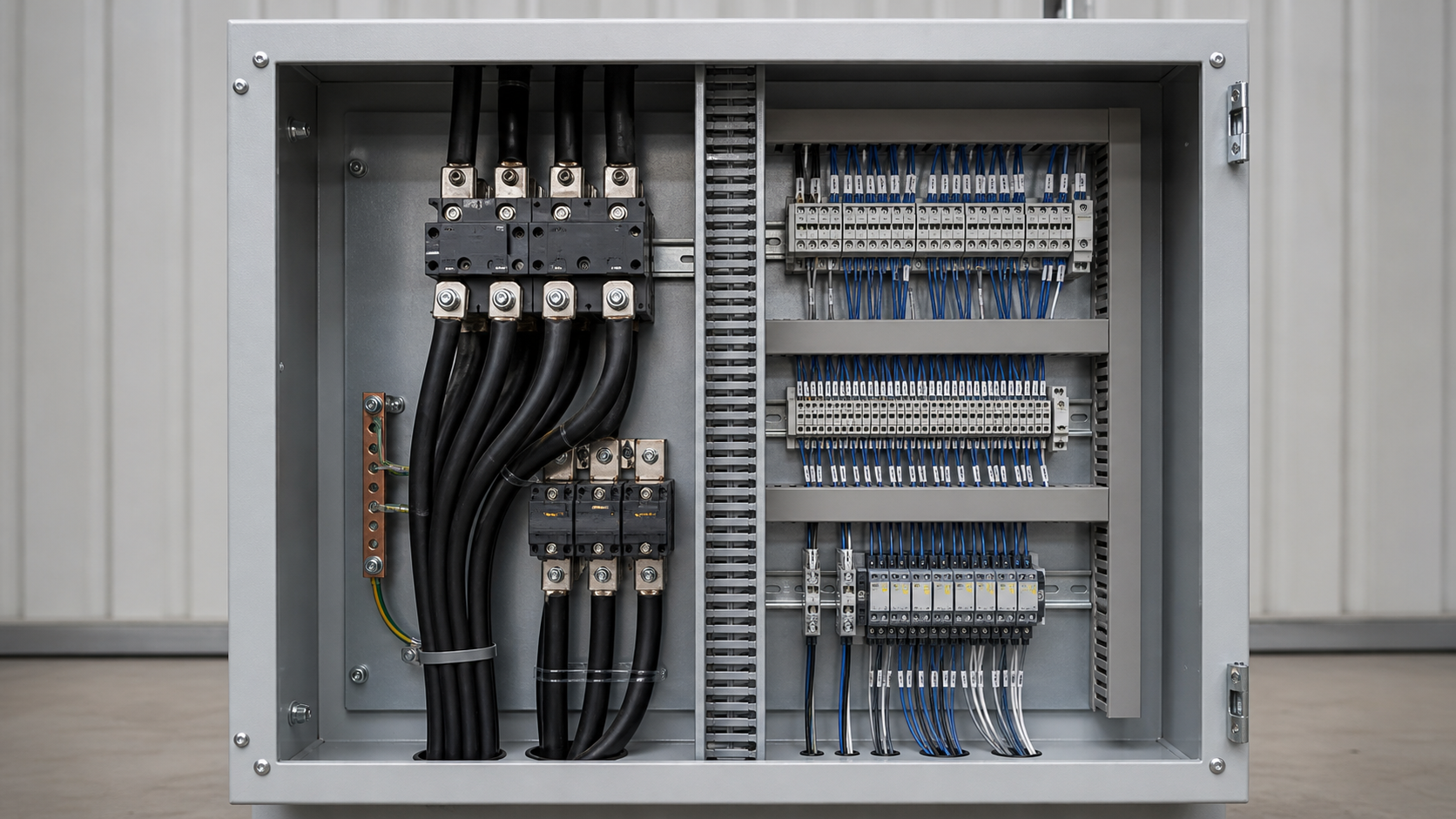



Two blanks can have the same outline and still behave differently at the press brake. Rotate one blank on the sheet and a difficult bend may crack more easily. Rotate a brushed panel and the finished grain may run the wrong way beside its neighbor.
Sheet metal grain direction can affect forming risk, visible appearance, nesting, and material yield. It should be controlled only where it protects the product; otherwise, an unnecessary orientation note can increase scrap and cost.
Quick Answer: Decide Whether Direction Is Functional, Cosmetic, or Optional
Use a direction requirement only when it protects a difficult bend, a visible surface, or alignment across an assembly. If the requirement has no stated reason, purchasing and production cannot judge whether a rotated blank is a defect or a cost-saving opportunity.
The release decision should therefore state the controlled face, the direction reference, the reason for control, whether rotation is allowed, and the evidence needed from a prototype. This is especially important when forming preference and brushed appearance point in competing directions.
Grain Can Mean Structure or Surface Direction
Buyers use the word grain for two related ideas.
- Rolling direction describes the orientation created during material production and can influence bending behavior.
- Finish direction describes a visible brush or directional surface that must align across the product.
Sometimes both point the same way. Sometimes the forming need and the cosmetic need compete, requiring a conscious tradeoff.
Why Orientation Can Affect a Difficult Bend
Material is not always equally forgiving in every direction. A tight bend, hard temper, small radius, or sensitive alloy may crack more readily when oriented poorly relative to rolling direction.
The risk depends on the complete combination: grade, temper, thickness, radius, angle, tooling, and edge quality. Avoid turning a general preference into a universal rule. Ask the supplier to review the specific bend or run a material trial.
Cosmetic Grain Is Visible Across the Assembly
A brushed stainless cover may pass every dimension and still look wrong when one panel runs vertically and the next runs horizontally. Grain direction also changes how scratches, reflections, weld blending, and touch marks appear.
On the drawing, identify the controlled face and show a clear arrow. For assemblies, include a layout that explains how adjacent parts should align after bending and installation.
Nesting Freedom Has a Real Cost
When orientation is unrestricted, a supplier can rotate parts to use the sheet efficiently. Locking every part in one direction may create more remnants or require additional sheets.
Before requiring direction, classify the reason:
- Critical forming risk.
- Customer-facing appearance.
- Assembly alignment.
- No functional reason.
The fourth category should normally remain free. The first three deserve a quotation that makes the material impact visible.
Bends Within One Part May Compete
A rectangular enclosure can contain bends in two directions. If one bend runs favorably relative to the material, another may not. Designers cannot always rotate the blank to optimize every bend.
Possible responses include:
- increasing a sensitive bend radius;
- changing material or temper;
- splitting the part into joined pieces;
- relocating the most difficult bend;
- testing the actual material route;
- accepting orientation based on the highest-risk feature.
The choice should protect the finished product, not chase an ideal that the geometry cannot satisfy.
Cutting and Edge Condition Can Influence the Result
A crack may begin at a rough edge, sharp internal corner, or poorly designed relief rather than from grain alone. Review cut quality and sheet metal bend relief design before assigning every failure to material orientation.
If a bend ends beside a notch or relief, inspect the formed corner under the intended tool and material condition.
A Grain-Direction Approval Worksheet
For each part, use a sheet metal grain direction worksheet and record:
| Question | Decision |
|---|---|
| Which face is controlled? | Mark the visible or functional surface |
| Is direction needed for forming, appearance, or both? | State the reason |
| Which bend has the highest cracking risk? | Identify radius, angle, and orientation |
| Can the blank rotate for nesting? | Fully, partially, or not at all |
| How will the part be marked and protected? | Film, labels, grain arrow, handling |
| How will adjacent parts align? | Assembly reference or approved sample |
This makes the requirement usable by purchasing, nesting, bending, finishing, and inspection.
Prototypes Must Use Representative Orientation
A prototype cut from a convenient remnant can give false confidence if the production nest rotates the part. Record the sheet direction used for the sample and compare it with the intended production orientation.
For visible assemblies, review multiple adjacent panels under realistic lighting. A single loose part may not reveal a mismatch in grain or reflection.
Inspect the Finished Direction, Not Only the Arrow
Part marking can be lost during cutting, bending, or coating. Final inspection should confirm:
- direction on the controlled face;
- orientation after forming;
- alignment across adjacent parts;
- absence of cross-grain grinding on visible surfaces;
- correct protective film and handling;
- traceability when orientation protects bending.
Turn the Requirement Into a Verifiable Production Instruction
The approved sheet metal grain direction record should show the sheet arrow on the controlled face, the production nesting restriction, the prototype orientation, the difficult bend result, and the finished appearance beside adjacent parts. It should also say when substitution or rotation requires approval. Without that record, an arrow can survive on the drawing while its original purpose is forgotten.
Jewein presents its manufacturing support as an engineering-led process that analyzes drawings, improves manufacturability, identifies production risk, and supports scale-up. The Jewein company overview documents that approach. Material direction remains grade-, temper-, thickness-, radius-, and finish-specific; use representative material trials where the risk cannot be resolved from established process evidence.
This guidance does not replace material qualification or structural validation for safety-critical bends.
Buyers can contact Jewein with the drawing, material, difficult bends, visible-surface layout, and expected volume to decide where orientation is necessary and where it can remain flexible.
Frequently Asked Questions
What is grain direction in sheet metal?
It describes the directional structure or visible orientation created by rolling or finishing the sheet, which can influence bending behavior and appearance.
Should bends run with or across the grain?
The preferred orientation depends on material, temper, thickness, radius, angle, and cracking risk. Across-grain bending is often reviewed first for difficult bends, but the actual process must be checked.
Does grain direction matter for stainless steel appearance?
Yes. Brushed or directional finishes can make mismatched orientation visible across adjacent panels even when dimensions are correct.
Can grain direction reduce material utilization?
Yes. Locking orientation can limit nesting rotation and increase sheet usage, so functional and cosmetic needs should be defined before quoting.
How should grain direction be shown on a drawing?
Use a clear direction symbol or note tied to the controlled face, and state whether the requirement protects forming, appearance, or both.