


An ingress test is only as representative as the configuration placed in the test area. Temporary plugs, missing cables, new gaskets, loose mounting, empty interiors, or a different orientation can make the sample easier than the released product. A pass then proves the test sample, not necessarily the production enclosure.
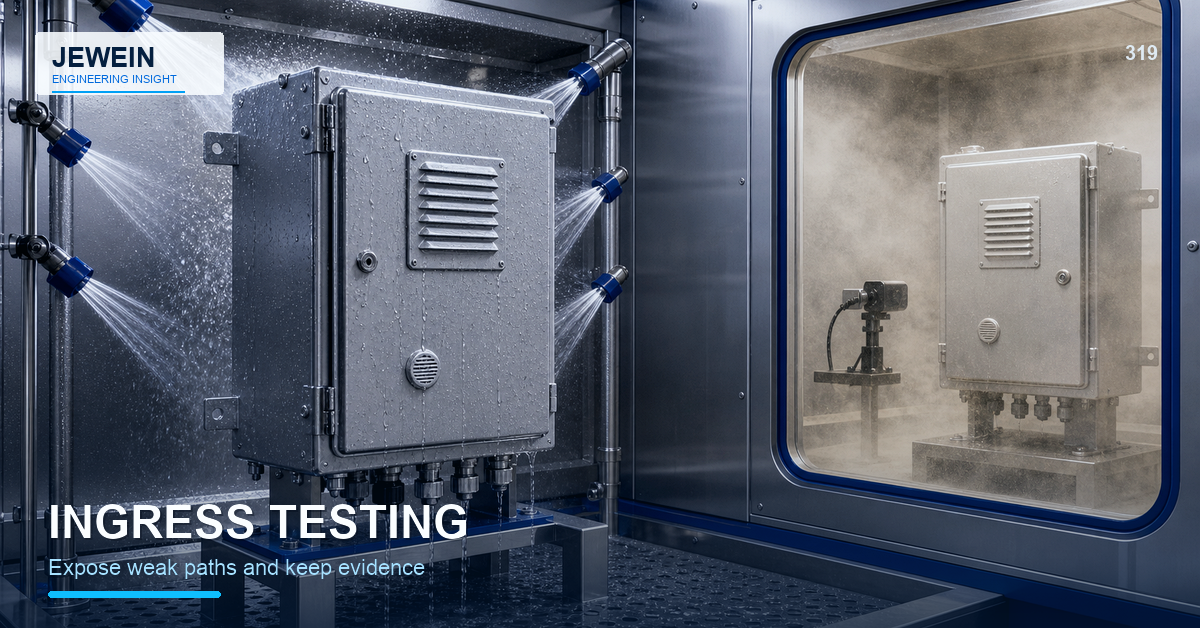
Use sheet metal enclosure ingress testing to evaluate the complete boundary under a defined dust or water exposure. Control configuration, preconditioning, mounting, powered state, internal pressure, exposure, drainage, inspection timing, and failure evidence.
Define the Requirement and Exposure
State the applicable project requirement, dust or water condition, duration, orientation, acceptance, and test authority. Do not use a rating name without the exact method and configuration behind it.
Final test selection and compliance require qualified specialists. This article focuses on preparing a representative fabricated enclosure and useful evidence.
Freeze the Production Configuration
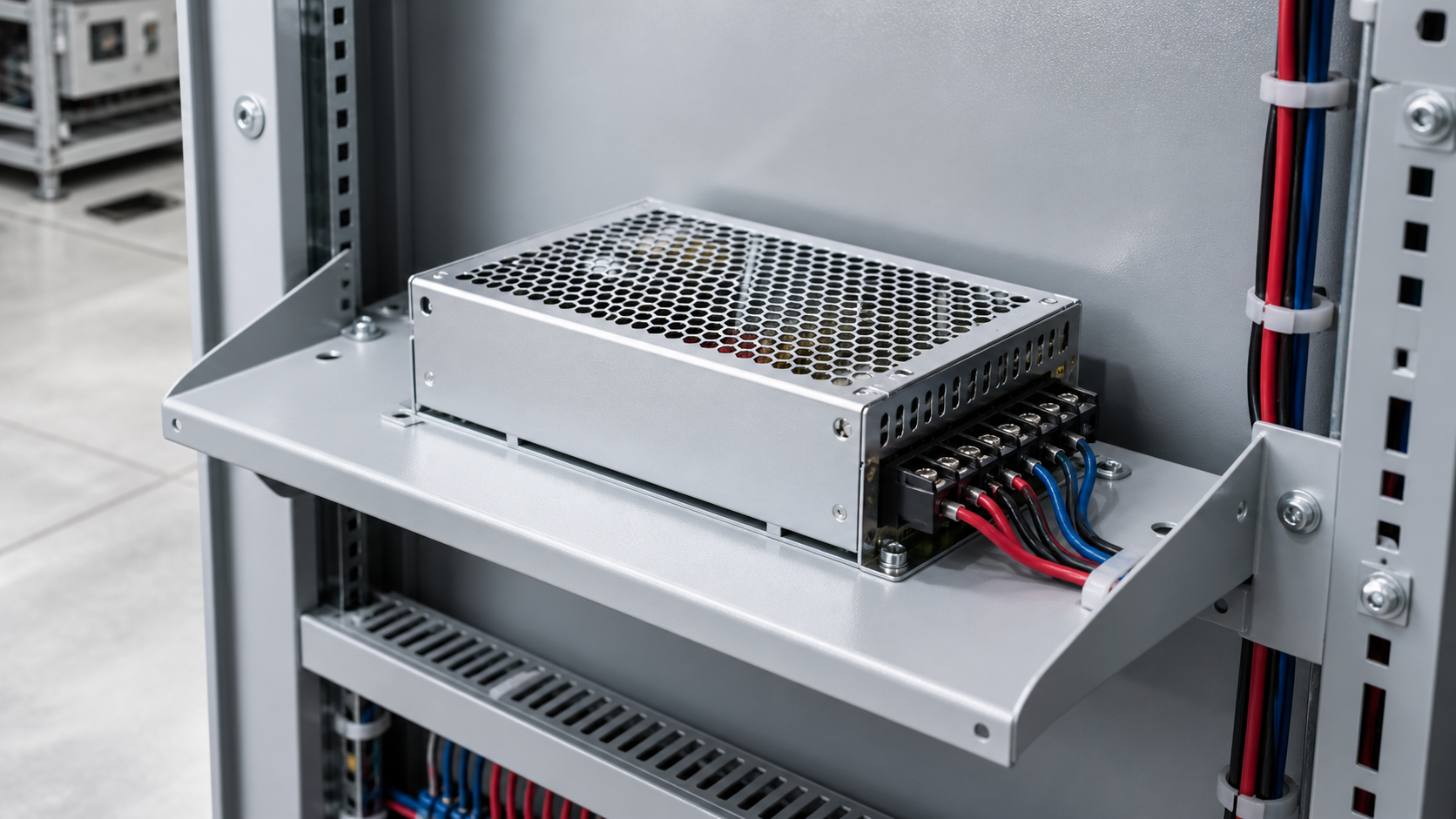
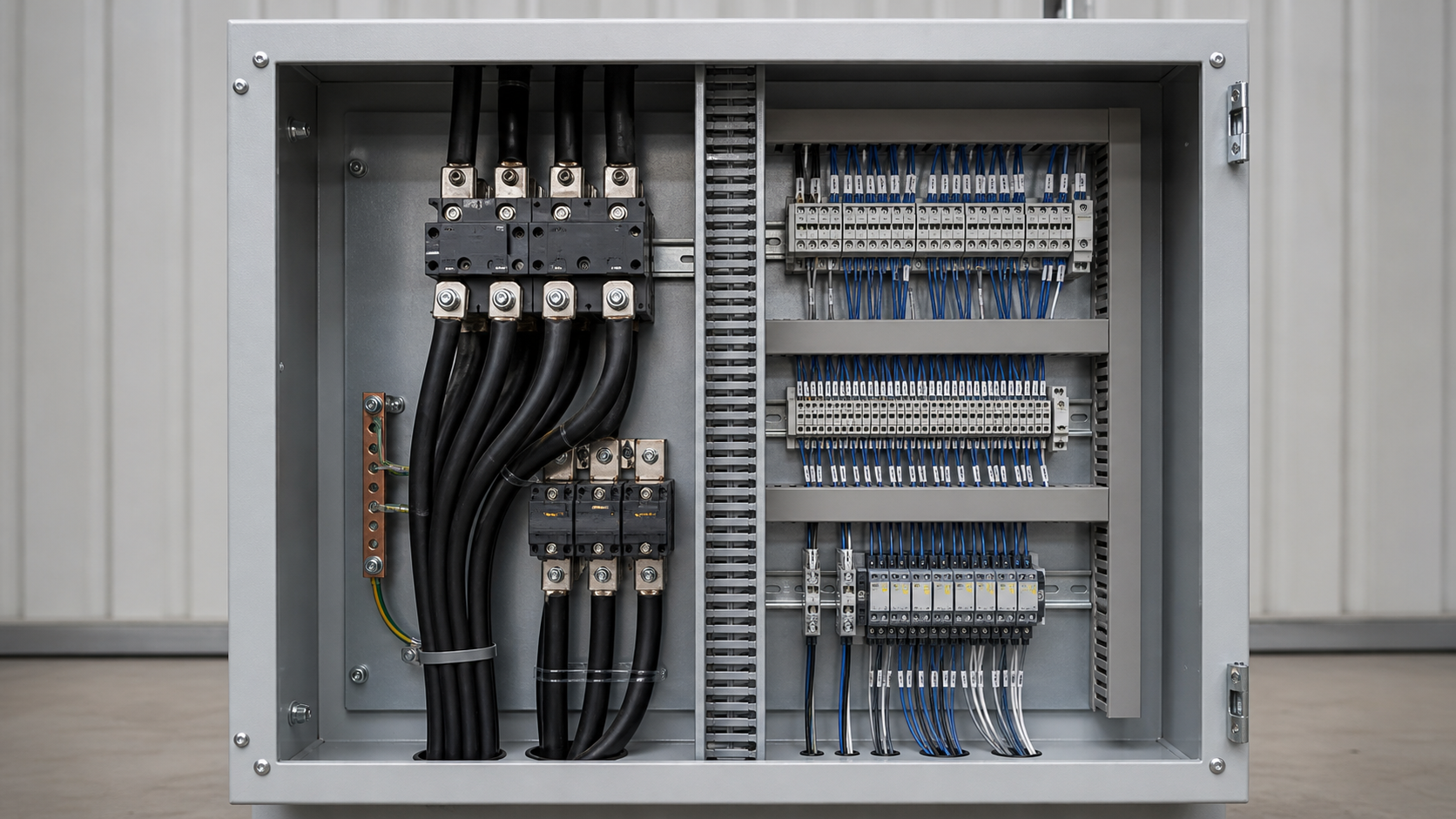
Record drawing and BOM revision, material, finish, doors, gaskets, latches, vents, drains, fasteners, glands, plugs, windows, and internal components. Use production assembly methods and torque.
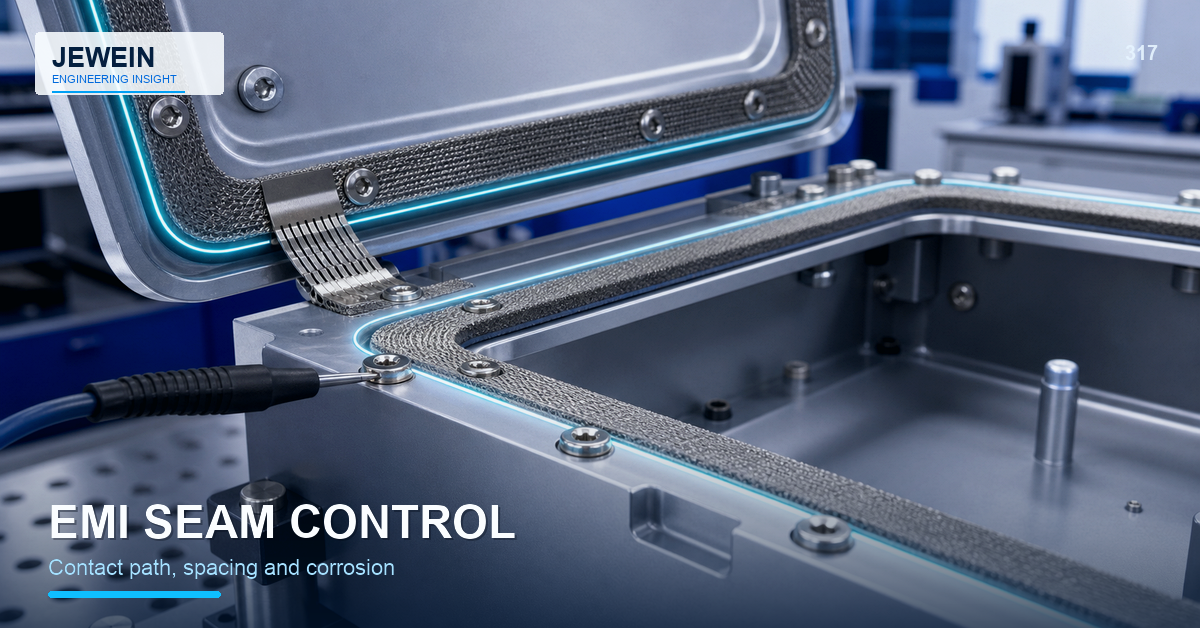
The sheet metal enclosure gasket guide provides context for compression, flange geometry, corners, hardware, door stiffness, coating, drainage, and service.
| Configuration item | Test risk if changed | Record |
|---|---|---|
| Cable glands | Blank plugs hide installed cable paths | Cable size and torque |
| Pressure vent | Temporary seal removes breathing path | Part and orientation |
| Door gasket | New sample may not represent service | Lot and compression evidence |
| Drain | Plugging changes water retention | Open or controlled state |
| Internal heat | Pressure and condensation differ | Powered condition and load |
Mount the Enclosure as Used
Wall brackets, pole clamps, feet, roof slope, door direction, and nearby surfaces affect water paths and drainage. Test the intended orientation and include field penetrations where possible.
For sheet metal enclosure ingress testing, photograph all faces before exposure. Note damage, sealant, coating defects, and temporary test hardware.
Precondition When Service Changes Matter
Temperature cycling, door operation, vibration, cable movement, filter replacement, ultraviolet exposure, cleaning, and aging can change seals. Define any preconditioning required by the project.
The enclosure pressure equalization vent guide explains why pressure cycling and contamination can change the boundary over time.
Control Temporary Seals and Test Fixtures
Test hoses, pressure lines, thermocouples, and mounting fixtures can introduce or remove leak paths. Document every temporary penetration and how it is sealed.
Do not add tape or sealant during setup unless the test plan permits it and the same condition exists in production. Mark excluded interfaces clearly.
Expose the Weak Paths Deliberately
Doors, corners, hinges, latches, seams, vents, cable entries, windows, fasteners, and roof penetrations deserve direct attention. Use the specified exposure rather than steering around difficult areas.
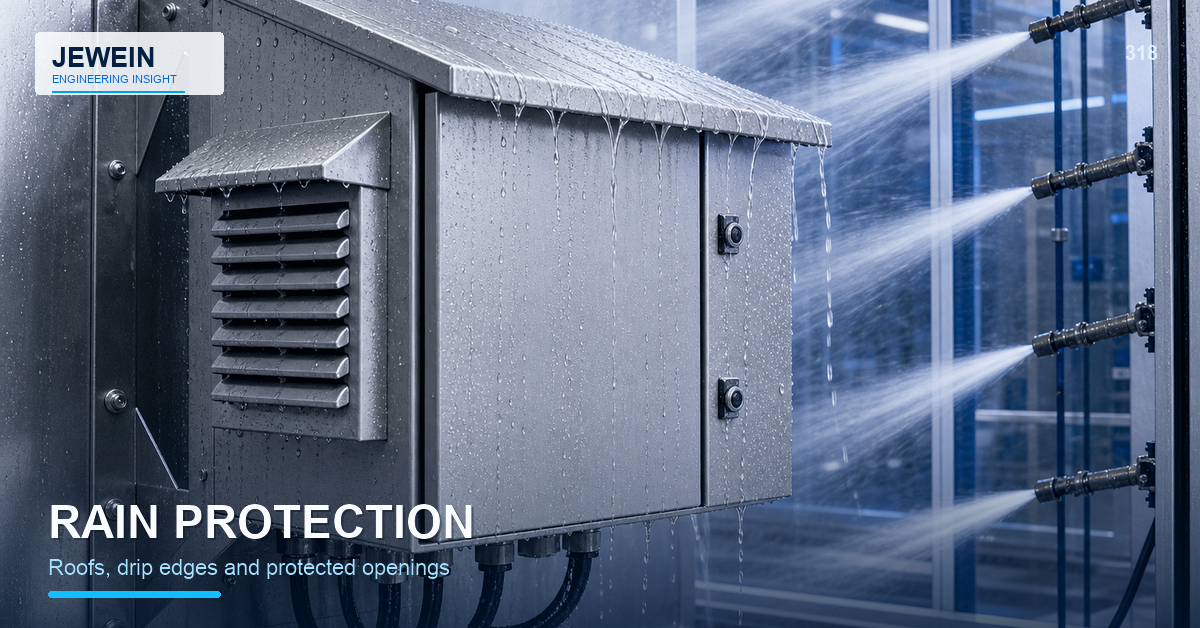
The outdoor enclosure rain protection guide provides a top-down map of roof runoff, drip edges, vents, cables, splash, wind, and drainage.
Inspect at the Right Time
Water can evaporate, drain, or move after exposure. Define whether inspection occurs during the test, immediately after, and after a set waiting period.
Use absorbent indicators, internal cameras, witness surfaces, moisture sensors, or teardown as appropriate. Protect sensitive evidence from handling contamination.
Distinguish Entry From Condensation
Temperature changes during water exposure can create internal condensation. Record internal and external temperature, humidity, powered state, and timing.
The sheet metal enclosure condensation guide helps separate dew-point moisture from an external weak path.
Preserve the Failed Condition
Do not immediately tighten latches, remove glands, dry the interior, or peel the gasket. Photograph water or dust location, trace paths, and record time.
Use segmented retesting, localized leak methods, and controlled disassembly to isolate the cause. The sheet metal enclosure leak testing guide explains pressure-decay and localization options.
Link the Result to Production Control
A qualified sample needs corresponding controls for gasket, flange flatness, hardware torque, coating, vent, gland, sealant, and inspection. Define retest triggers after changes.
Retain the exact tested configuration and report. A pass cannot cover undocumented substitutions or future service conditions automatically.
Use Controls and Known Defects
Before relying on a complex setup, verify that it detects a known weak path and does not create false entry through the fixture. A reference enclosure, controlled gap, removable defect, or repeat test can help demonstrate sensitivity. Compare multiple nominal samples when manufacturing variation matters. If only one unusually favorable unit passes, the team does not yet know whether the production route is stable.
Jewein describes enclosure manufacturing and quality coordination in its company overview. Final test method, rating claim, electrical safety, and acceptance require qualified environmental test specialists.
For a focused sheet metal enclosure ingress testing review, contact Jewein with the target requirement, exposure, mounting, BOM, doors, vents, drains, cable entries, powered state, preconditioning, and current test report.
Frequently Asked Questions
What does enclosure ingress testing evaluate?
It evaluates resistance to defined dust or water exposure in a controlled configuration and under specified test conditions.
Should the tested enclosure include production hardware?
Yes when possible. Doors, gaskets, vents, glands, fasteners, coatings, and internal pressure conditions should represent the released configuration.
Can unused openings be temporarily sealed for testing?
Only when the test plan identifies them as outside the evaluated configuration; undocumented temporary seals can hide real weak paths.
Does passing one ingress test guarantee field performance?
No. Installation, aging, damage, maintenance, pressure cycling, contamination, and exposure severity can differ from the test.
How should an ingress failure be analyzed?
Preserve the as-tested condition, locate entry paths, record timing and exposure, inspect seals and drainage, and avoid immediate disassembly that destroys evidence.